
"flexible bag"
300 article(s) found

What are the storage methods of coffee beans?
1. Raw beans: the raw coffee beans before stir-frying are only for the convenience of transshipment, without special packaging conditions, depending on the differences of each production area, out of economic and practical considerations, generally use 60 kg gunny bags for packaging, and then further processing after arriving at the destination. Of course, there will be some different packaging, such as Jamaica Blue Mountain is packed in 70kg wooden barrels. 2. Cooked beans:

The practice of iced cappuccino coffee can you lose weight with iced cappuccino?
Professional coffee knowledge exchange more coffee bean information please follow the coffee workshop (Wechat official account cafe_style) iced cappuccino ice foam can also have a good taste cappuccino focus on the dense taste of milk bubbles, usually requires flexible operation of high-temperature steam equipment to do this, so good milk bubbles are usually hot. In fact, good use of hand-held milk bubble pot, ice foam can also be awesome

Introduction to the characteristics of Kenyan Coffee
The Kenyan government takes the coffee industry very seriously, where it is illegal to cut down or destroy coffee trees. Kenyan coffee buyers are world-class high-quality coffee buyers, and no other country can grow, produce and sell coffee on a continuous basis like Kenya. All the coffee beans were first acquired by the Kenya Coffee Commission (CoffeeBoardofKenya, CBK).

A brief introduction to the producing area of boutique coffee in the world: the rise of Kenya
Internationally, the increase in the number of Kenyan coffee is obvious. From 1969 to 1970, 800000 bags were exported, and from 1985 to 1986, exports increased to 2 million bags. Now the yield is stable at 1.6 million bags, with an average yield of about 650kg per hectare. Even before coffee prices skyrocketed in recent years, the average price of coffee in Kenya had been rising. Price from 1993 to 1994

Kenyan coffee growing environment what is the unique flavor of Kenyan coffee
Compared to the coffee growing environment in Kenya, the Kenyan government takes the coffee industry very seriously, where it is illegal to cut down or destroy coffee trees. The buyers of Kenyan coffee are world-class buyers of quality coffee, and no country can grow, produce and sell coffee continuously like Kenya. All coffee beans are first made by the Kenya Coffee Commission (coffee Board of)

Introduction to Berman Manor in Kenya Coffee Bean Flavor Manor
Kenyan coffee beans the Kenyan government takes the coffee industry very seriously, where it is illegal to cut down or destroy coffee trees. Kenyan coffee buyers are world-class high-quality coffee buyers, and no other country can grow, produce and sell coffee on a continuous basis like Kenya. All coffee beans are first made by the Kenya Coffee Commission (CoffeeBoardofKenya, CB for short)

Kenya Coffee Bean Flavor with strong taste introduction to boutique coffee in manor area
The Kenyan government takes the coffee industry very seriously, where it is illegal to cut down or destroy coffee trees. Kenyan coffee buyers are world-class high-quality coffee buyers, and no other country can grow, produce and sell coffee on a continuous basis like Kenya. All the coffee beans were first acquired by the Kenya Coffee Commission (CoffeeBoardofKenya, CBK).

Kenya Coffee producing area Manor Nyeri Central Mountain area
The Kenyan government takes the coffee industry very seriously, where it is illegal to cut down or destroy coffee trees. The buyers of Kenyan coffee are world-class buyers of quality coffee, and no country can grow, produce and sell coffee continuously like Kenya. All coffee beans were first acquired by the Kenya Coffee Commission (coffee Board of Kaeya, CBK).

Introduction to the Origin and Flavor of Kenyan Coffee
The Kenyan government takes the coffee industry very seriously, where it is illegal to cut down or destroy coffee trees. Kenyan coffee buyers are world-class high-quality coffee buyers, and no other country can grow, produce and sell coffee on a continuous basis like Kenya. All the coffee beans were first acquired by the Kenya Coffee Commission (CoffeeBoardofKenya, CBK).

Coffee bean storage method coffee bean processing process coffee bean picking process
1. Raw beans: the raw coffee beans before stir-frying are only for the convenience of transshipment, without special packaging conditions, depending on the differences of each production area, out of economic and practical considerations, generally use 60 kg gunny bags for packaging, and then further processing after arriving at the destination. Of course, there will be some different packaging, such as Jamaica Blue Mountain is packed in 70kg wooden barrels. 2. Cooked beans:

Kenyan coffee beans from the Hollywood movie "out of Africa"
The Kenyan government takes the coffee industry very seriously, where it is illegal to cut down or destroy coffee trees. Kenyan coffee buyers are world-class high-quality coffee buyers, and no other country can grow, produce and sell coffee on a continuous basis like Kenya. All the coffee beans were first acquired by the Kenya Coffee Commission (CoffeeBoardofKenya, CBK).

Introduction of raw beans in Kenyan coffee farm
Kenya's climatic and geographical conditions provide unique conditions for the growth of high-quality coffee beans, which are located in eastern Africa, the equator runs through the middle, and the East African Rift Valley runs through the north and south. It is bordered by Somalia to the east, Tanzania to the south, Uganda to the west, Ethiopia and Sudan to the north, and the Indian Ocean to the southeast. The coastline is 536 km long. There are many plateaus in the territory, with an average elevation of 1500 meters.

Kenyan Coffee Development Kenyan Coffee Culture
Ethiopian coffee drinks are imported into Kenya through southern Yemen. But it was not until the early 20th century that the Bourbon Coffee Tree was created by the St. Austen Mission (St). Austin Mission) is introduced. Kenyan coffee is mostly grown at an altitude of 1500 to 2100 meters and is harvested twice a year. To ensure that only ripe berries are picked, people must tour the forest about seven times. Ken

Introduction to the characteristics of Kenyan Fine Coffee Bean Flavor Manor
The Kenyan government takes the coffee industry very seriously, where it is illegal to cut down or destroy coffee trees. Kenyan coffee buyers are world-class high-quality coffee buyers, and no other country can grow, produce and sell coffee on a continuous basis like Kenya. All the coffee beans were first acquired by the Kenya Coffee Commission (CoffeeBoardofKenya, CBK).

Introduction of Coffee Flavor description, Grinding degree characteristics and Variety producing areas of Jinchu Coffee in Kenya
The Kenyan government takes the coffee industry very seriously, where it is illegal to cut down or destroy coffee trees. Kenyan coffee buyers are world-class high-quality coffee buyers, and no other country can grow, produce and sell coffee on a continuous basis like Kenya. All the coffee beans were first acquired by the Kenya Coffee Commission (CoffeeBoardofKenya, CBK).

The present situation of coffee production in Kenya growing coffee beans
The Kenyan government takes the coffee industry very seriously, where it is illegal to cut down or destroy coffee trees. Kenyan coffee buyers are world-class high-quality coffee buyers, and no other country can grow, produce and sell coffee on a continuous basis like Kenya. All the coffee beans were first acquired by the Kenya Coffee Commission (CoffeeBoardofKenya, referred to as CBK).

Introduction to the practice of coffee beans in Kenya
Kenyan coffee is mostly grown at an altitude of 1500m, 2100m, and is harvested twice a year. To ensure that only ripe berries are picked, people must tour the forest about seven times. Kenyan coffee is grown by small farmers. After they harvest the coffee, they first send the fresh coffee beans to the cooperative cleaning station, where the washed and dried coffee is covered with parchment beans.

Kenya Coffee Flavor Manor area introduces the Central Mountain area of Nyeri
The Kenyan government takes the coffee industry very seriously, where it is illegal to cut down or destroy coffee trees. Kenyan coffee buyers are world-class high-quality coffee buyers, and no other country can grow, produce and sell coffee on a continuous basis like Kenya. All the coffee beans were first acquired by the Kenya Coffee Commission (CoffeeBoardofKenya, CBK).

Kenyan Coffee introduces the growing Environment
Coffee entered Kenya in the 19th century, when Ethiopian coffee drinks were imported into Kenya through southern Yemen. But it was not until the early 20th century that the Bourbon Coffee Tree was created by the St. Austen Mission (St). Austin Mission) is introduced. Kenyan coffee is mostly grown at an altitude of 1500 to 2100 meters and is harvested twice a year. To ensure that only ripe berries are picked, people must
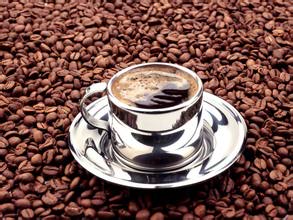
Kenyan Coffee Culture Kenyan Coffee Development
Coffee entered Kenya in the 19th century, when Ethiopian coffee drinks were imported into Kenya through southern Yemen. But it was not until the early 20th century that the Bourbon Coffee Tree was created by the St. Austen Mission (St). Austin Mission) is introduced. Kenyan coffee is mostly grown at an altitude of 1500 to 2100 meters and is harvested twice a year. To ensure that only ripe berries are picked, people must